
Windows and Doors Perth: A Complete Guide for Homeowners
Explore windows and doors Perth homeowners can trust, including materials, styles, glazing, installation, costs and custom aluminium options. Read More…
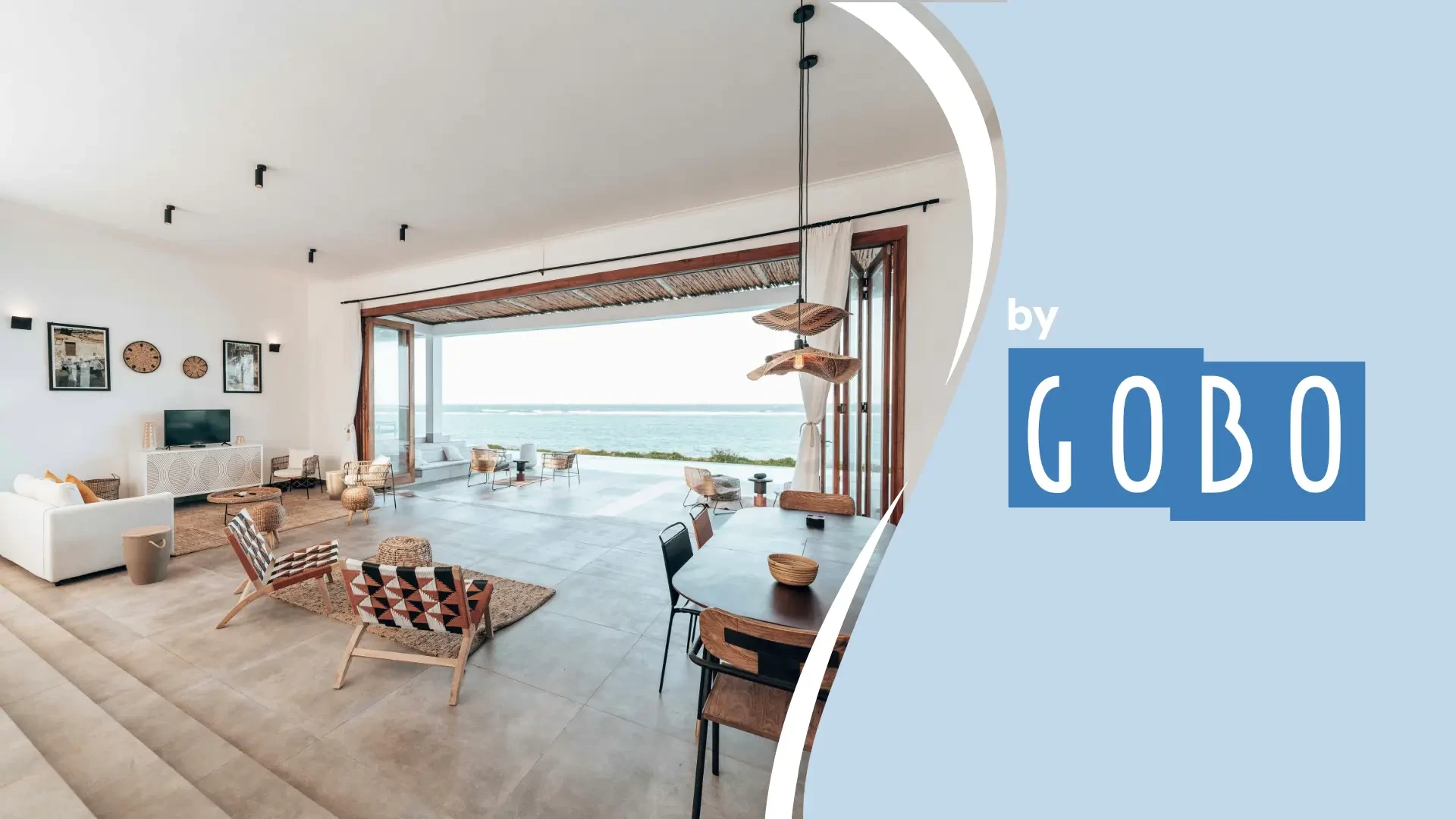
Living near the coast is one of the best parts of the Australian lifestyle. The ocean breeze, natural light, relaxed atmosphere, and surrounding views can make a coastal home feel truly special. But coastal living also comes with a few practical challenges, especially when it comes to your home’s exterior.
As we’ve said time and time again in these blogs, Windows are one of the most exposed parts of any property. They deal with wind, salt, sand, heat, humidity, glare, and changing weather throughout the year. If you live near the ocean, you will understand that choosing the right windows is about more than appearance. Your windows need to be durable, easy to maintain, well positioned, and suited to the conditions around your home.
According to the Australian Government’s State of the Environment report, 85% of Australia’s population lived within 50 kilometres of the coast in 2025. Now this number may fluctuate over years, however the message still stands that coastal building considerations are relevant to most Australian homeowners.
If you are building, renovating, or replacing windows near the sea, here is what to consider before making your decision.
The material you choose for your windows will have a major impact on how well they perform over time.
Like we mentioned earlier, coastal homes are regularly exposed to salt in the air. When salt settles on frames, hardware, glass, and tracks, it can contribute to staining, corrosion, pitting, and general wear if the windows are not properly maintained.
Now this does not mean coastal homes are difficult to care for. It simply means material choice matters.
Aluminium is a strong option for coastal homes because it is durable, low maintenance, and resistant to warping. Unlike timber, it does not need regular sanding, sealing, or repainting. It also provides a sleek, modern finish that suits both contemporary and older coastal homes.
Aluminium is popular for coastal properties because it offers a practical balance between strength and style. It can handle everyday exposure better than many traditional materials and is well suited to custom window designs.
Aluminium is also a good choice because it works across a wide range of styles, including sliding windows, awning windows, louvre windows, bi fold windows, and fixed windows. This gives you flexibility to choose a window style that suits your home’s design without compromising on durability.
If you are comparing materials, you may find our guide on choosing
the right material for your bi fold windows helpful.
Anyone who lives near the ocean knows how quickly salt and sand can build up on outdoor surfaces.
The coastal breeze, in Perth, can carry salt and sand onto windows, tracks, frames, flyscreens, and hardware. Over time, this can cause streaking on glass, dirt build-up in tracks, and wear on moving parts if left uncleaned.
For homes especially exposed to wind, glass may also become marked over time. This is why regular cleaning and inspection are important for coastal homes.
Choosing good-quality aluminium windows is a strong starting point, but maintenance still matters. A simple routine of rinsing frames with fresh water, cleaning tracks, and checking hardware can help reduce salt build-up and keep your windows working properly for longer.
For more detailed advice, read our guide on how to maintain your aluminium windows.
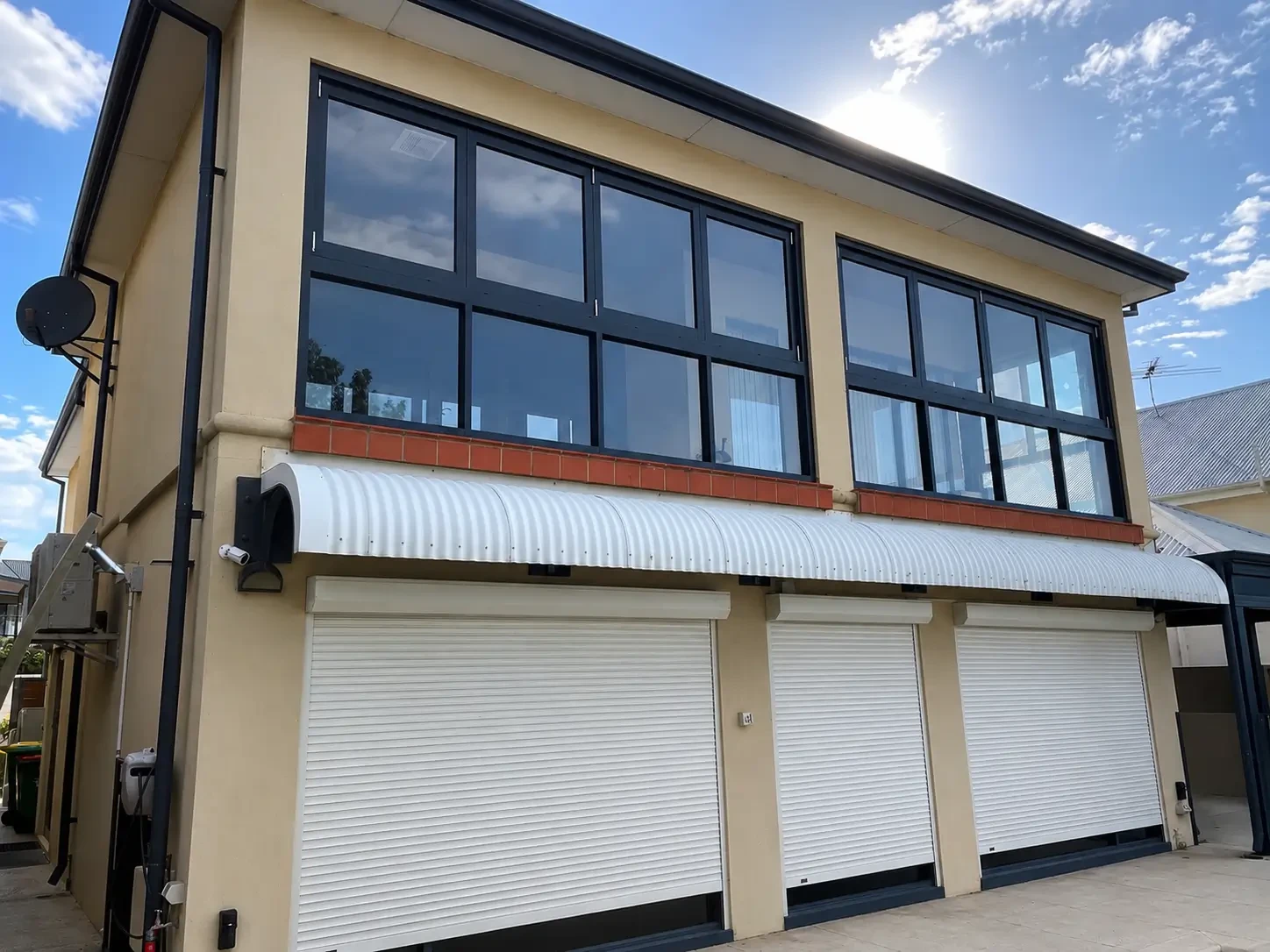
Coastal homes often benefit from natural airflow. The right window style can help bring cooler breezes inside and reduce the feeling of heat or humidity throughout the home.
This is especially important in Perth, where warmer months can make good ventilation a priority.
Awning windows, louvre windows, sliding windows, and bi fold windows can all support airflow in different ways. The best option depends on the room, the direction the window faces, and how much control you want over ventilation.
Awning windows are a practical choice for privacy and airflow because they open outward from the top. Louvre windows allow you to direct breezes more precisely. Sliding windows are easy to operate and work well in many parts of the home. Bi fold windows can open a space more dramatically, which is useful for kitchens, serveries, and entertaining areas.
The Australian Government’s YourHome guide to design for climate explains that homes should be designed to suit their local climate, so they remain comfortable throughout the year.
In coastal suburbs, homes can be close to neighbours, footpaths, roads, or even shared outdoor spaces. This means window placement and style need to be carefully considered.
Awning windows can be placed higher on the wall to let in air while reducing direct views from outside. Patterned glass or security screens can also improve privacy without completely blocking light or airflow.
If privacy is a major concern, our blog on how to maximise your home’s safety with new windows offers more ideas on glass, screens, and window placement.
Coastal homes often receive plenty of sunlight, which can be beautiful, but it can also increase heat inside the home if windows are not chosen carefully.
Large windows facing the wrong direction may allow too much heat and glare into the room, especially during the afternoon. This can make the home harder to cool and less comfortable during summer.
This is where glazing, orientation, and shading all work together.
The Australian Government’s YourHome guide to glazing explains that windows and glazing can affect heat transfer, thermal comfort, and energy efficiency. It also notes that glazing needs to work alongside orientation, insulation, shading, and weather sealing for the best performance.
For coastal homes, it is worth thinking about where the strongest sun hits your property and whether certain windows need tinted glass, improved glazing, shading, or a different opening style.
You can read more about this in our guide on the importance of window orientation.
One of the best things about living near the coast is the view, of course!
Whether your home looks out to the ocean, a garden, a pool area, or an open outdoor space, windows can help frame that view and make it part of your home’s overall design.
Large aluminium windows can make interiors feel more open and connected to the outdoors. Sliding windows and fixed panels can be a great option where you want to maximise the view, while awning or louvre windows may be better suited to spaces where airflow and privacy are more important.
The key is balance. You may want a large window to capture a view, but you also need to consider heat, glare, privacy, and maintenance.
A professional window installer can help you decide where larger glass areas make sense and where a more practical style may be
better.
Window positioning is important for every home, but it becomes even more important in coastal locations.
The right placement can help you capture breezes, improve natural light, frame views, and protect your privacy. Poor placement can lead to overheating, glare, reduced privacy, or windows that are constantly exposed to harsh wind and salt.
Before deciding on window placement, think about how each room is used. A living room may benefit from a wide window facing the outdoor area, while a bathroom may need a smaller awning window positioned higher on the wall. A bedroom may need airflow and privacy, while a kitchen may need a window that is easy to open and clean.
For new builds and renovations, it is best to consider window placement early. Once the layout is finalised, it becomes much harder to make changes that improve comfort and function.
If you are choosing between different window types, our blog on how to choose the right window style for your home can help guide the decision.
Before selecting windows for your coastal home, it helps to look at the bigger picture. The best window choice should support the way your home looks, feels, and performs over time.
When comparing your options, consider:
Thinking through these factors early can help you choose windows that look good, last longer, and work properly in a coastal environment.
The right windows should complement the home, withstand local conditions, support airflow, improve comfort, and make the most of the surrounding views. For many Perth homeowners, custom aluminium windows offer the best balance of durability, low maintenance, style, and flexibility.
Custom windows are especially useful for coastal homes because every property is different. Some homes need larger windows to capture views. Others need privacy, wind protection, or better ventilation. A custom solution allows your windows to be designed around your home rather than forcing a standard product to fit.
Windows and Doors Perth: A Complete Guide for Homeowners
Explore windows and doors Perth homeowners can trust, including materials, styles, glazing, installation, costs and custom aluminium options. Read More…
Window Replacement Perth: Costs, Options and What to Expect
Learn what affects window replacement Perth costs, when to repair or replace your windows, and which aluminium window options suit your home. Read More…
Folding Doors Perth: The Ultimate Buyer’s Guide
Explore folding doors Perth homeowners love, including costs, styles, installation, glazing, maintenance and expert tips for choosing the right system. Read More…