
Why You Should Work with a Local Door Manufacturer
Why working with a local door manufacturer is always the best choice for your home renovations.
Read More…
Installing new doors is one of those upgrades that can make a home instantly feel more open, functional, and finished. Whether you’re replacing an old sliding door, improving access to your outdoor area, or creating a better indoor-outdoor flow, the right aluminium door can completely change the way you use your space.
But before installation day arrives, there are a few simple things you can do to make the process easier for both you and your installer.
Preparing your home properly helps reduce delays, protects your furniture, improves site safety, all allowing your installer to work efficiently. If you’re planning a bifold door installation in Perth, or any other aluminium door replacement, a little preparation can make the whole experience feel much smoother.
Here’s how to get your home ready for new doors.
Door installation is a hands-on process. Old doors often need to be removed; frames may need to be adjusted, and new aluminium doors need to be carefully carried, positioned, and installed.
That means your installer needs clear access, safe working space, and enough room to move materials in and out of the property.
Preparing your home doesn’t need to be complicated. In fact, in most cases, it simply means clearing the area, protecting nearby furniture, checking your alarm system, and making sure access points are open and easy to use.
These steps are especially important when installing larger systems, such as bifold doors, stacking doors, or sliding doors, because the panels and frames can be heavy and require careful handling.
If you’re still deciding which aluminium door style is right for your home, you may also find this guide helpful: Bifold Doors Perth: Comparing Bi-Fold, Sliding and Stacking Doors.
The first thing to do before your installer arrives is clear the area around the door opening.
This includes both the inside and outside of the installation site. Move away any furniture, rugs, pot plants, outdoor settings, storage boxes, pet beds, or anything else that may block access to the doorway.
A clear workspace helps your installer safely remove the old door and fit the new one without needing to work around unnecessary obstacles. It also reduces the risk of accidental damage to your belongings.
This is particularly important for a bifold door installation because bifold systems often involve multiple panels and
require more room during fitting. The more open the area is, the easier it is for your installer to complete the job efficiently.
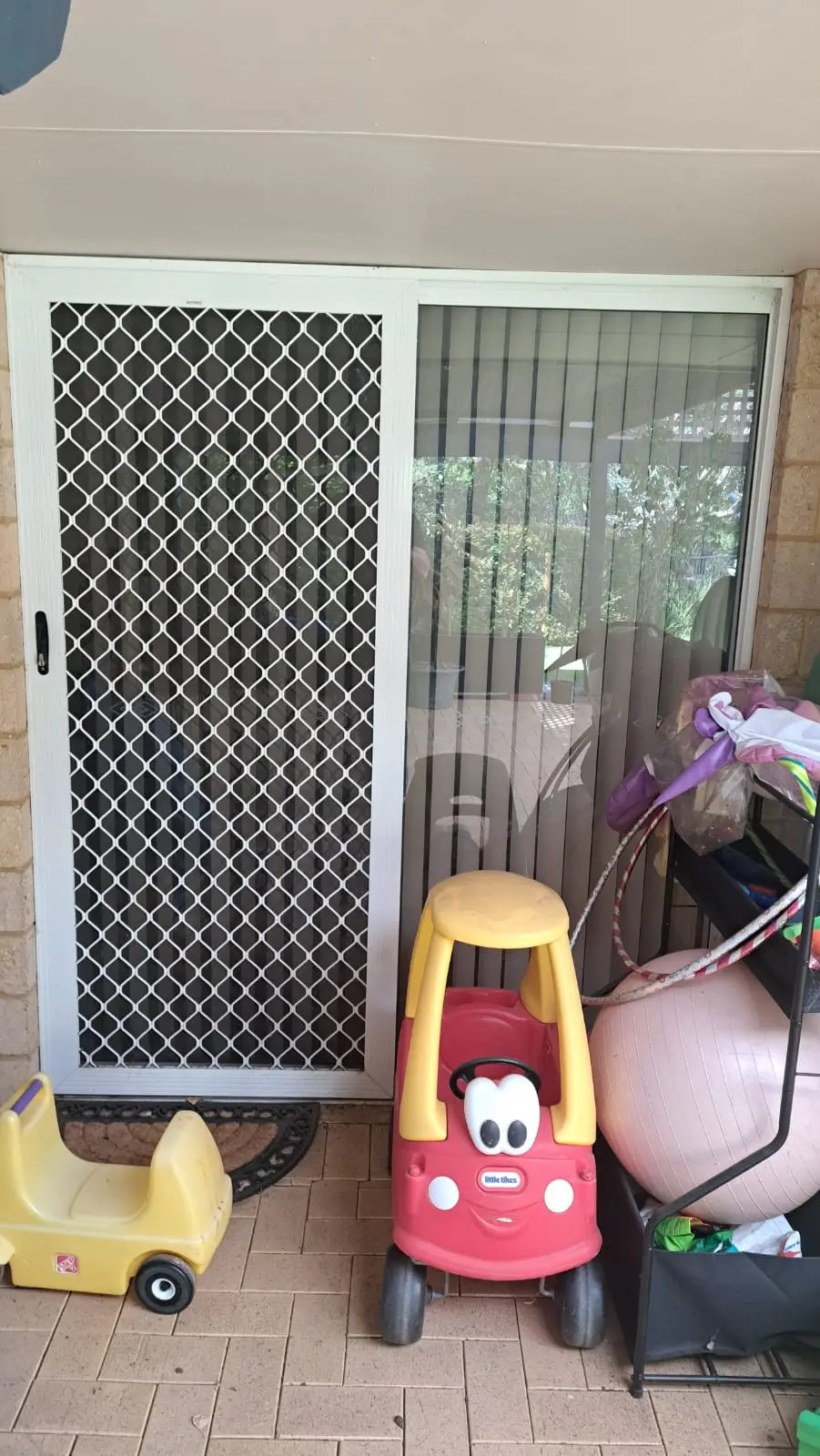
Even with a careful installer, replacing a door can create some dust and debris around the work area.
Nearby furniture should be moved out of the room if possible. If larger items are difficult to move, cover them with protective sheets, drop cloths, or old blankets to help prevent dust from settling into fabric or upholstery.
It’s also worth covering nearby flooring, especially if the installation area is close to timber floors, carpet, or recently finished surfaces.
We always recommend preparing the surrounding area before installation day, so your furniture and finishes stay protected throughout the process. It’s a small step, but it can make the post-installation clean-up much easier.
For more advice on upgrading older doors and windows, you can read our guide on window and door replacement in Perth.
This is one of the easiest steps to forget.
If your existing door is connected to a home alarm system, it’s important to disable or adjust it before installation begins. Removing the old door or disconnecting sensors may trigger the alarm if the system is still active.
Taking care of this early helps prevent false alarms, unnecessary disruptions, and delays during the installation process.
If you’re unsure whether your door is connected to the alarm, it’s worth checking with your alarm provider before your installer arrives. This is especially important for external doors, patio doors, and entry points that may have security sensors attached.
The Australian Government’s Cyber.gov.au guide to securing your home devices also recommends keeping connected home systems and smart security devices properly managed, which includes knowing how they interact with physical entry points like doors and windows.
Your installer will need to bring tools, materials, door frames, and panels safely from their vehicle to the installation area. This means access to your home matters just as much as the installation space itself.
Before the team arrives, make sure the driveway or parking area is clear where possible. If there are gates, side paths, garage access points, or narrow walkways that will be used, these should also be easy to move through.
If your old door needs to be removed from the property, clear access also makes that process easier.
For larger aluminium door systems, access can make a noticeable difference to how smoothly the job runs. New doors need to be carried carefully to avoid damage, so giving your installer a clear pathway helps protect both the product and your home.
Before your installer arrives, it helps to do one final check of the space. This doesn’t need to be overcomplicated, but making sure the basics are handled will help the day run much more smoothly.
Once these steps are done, your installer can get straight to work without unnecessary delays.
Installation areas can be noisy, dusty, and busy, so it’s a good idea to plan around your usual household routine.
If you have pets, keep them in a separate room or secure outdoor area away from the installation space. Doors may be left open during parts of the process, and installers will be moving in and out of the property with tools and materials.
The same applies to children. Keeping the work area clear helps prevent accidents and allows the installation team to focus on the job safely.
If your door replacement affects a high-use area, such as the main living room, laundry access, or alfresco entry, it may also help to plan around when you’ll need that space during the day.
Once your new aluminium door is installed, your installer will usually check that it opens, closes, locks, and seals properly. With bifold doors, this also means making sure the panels fold and glide smoothly.
This is a good time to ask any questions about cleaning, maintenance, and general use.
Aluminium doors are designed to be low maintenance, but they still benefit from regular care. Tracks should be kept free from debris, glass should be cleaned with suitable products, and hardware should be checked occasionally to ensure everything continues working as it should.
If you’re installing bifold doors, you may also find this maintenance guide useful: How to Clean Bi-Fold Doors and Keep Them Looking Like New.
A new aluminium door can completely transform the way your home looks and functions, especially when it improves access to an outdoor entertaining area.
But the installation process is always easier when your home is properly prepared beforehand.
By clearing the space, protecting your furniture, managing your alarm system, and making access easy, you help your installer work safely and efficiently. These small steps can reduce delays, prevent unnecessary mess, and make the whole process feel far less stressful.
Why You Should Work with a Local Door Manufacturer
Why working with a local door manufacturer is always the best choice for your home renovations.
Read More…
Drawbacks of DIY Installations of Store-Bought Doors
The disadvantages of installing store-bought doors yourself. Read More…
How to Maintain Your Aluminium Windows
How to effectively maintain your aluminium windows for years to come. Read More…